Advanced Characterization of Volatile and Odor-Active Compounds in Microalgae through Mass Spectrometry and Olfactometry
Consumer acceptance of microalgae as a sustainable food source is hindered by distinct, often undesirable odors. To address this, our research group has developed a robust analytical framework that bridges high-resolution chemical identification with sensory perception. By integrating advanced mass spectrometry with olfactometry, we provide a molecular-level understanding of the "odor barrier" in microalgae biomass.
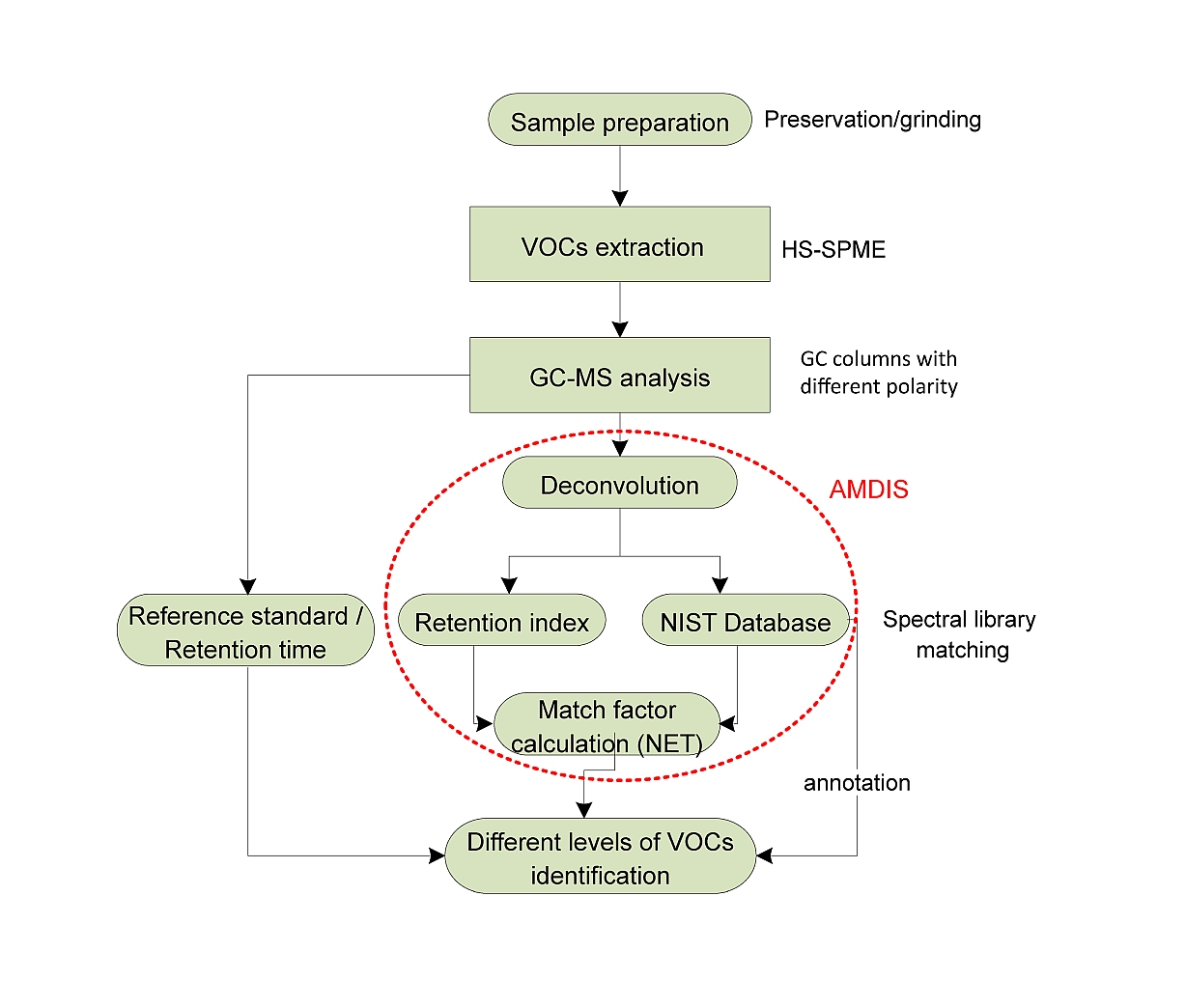
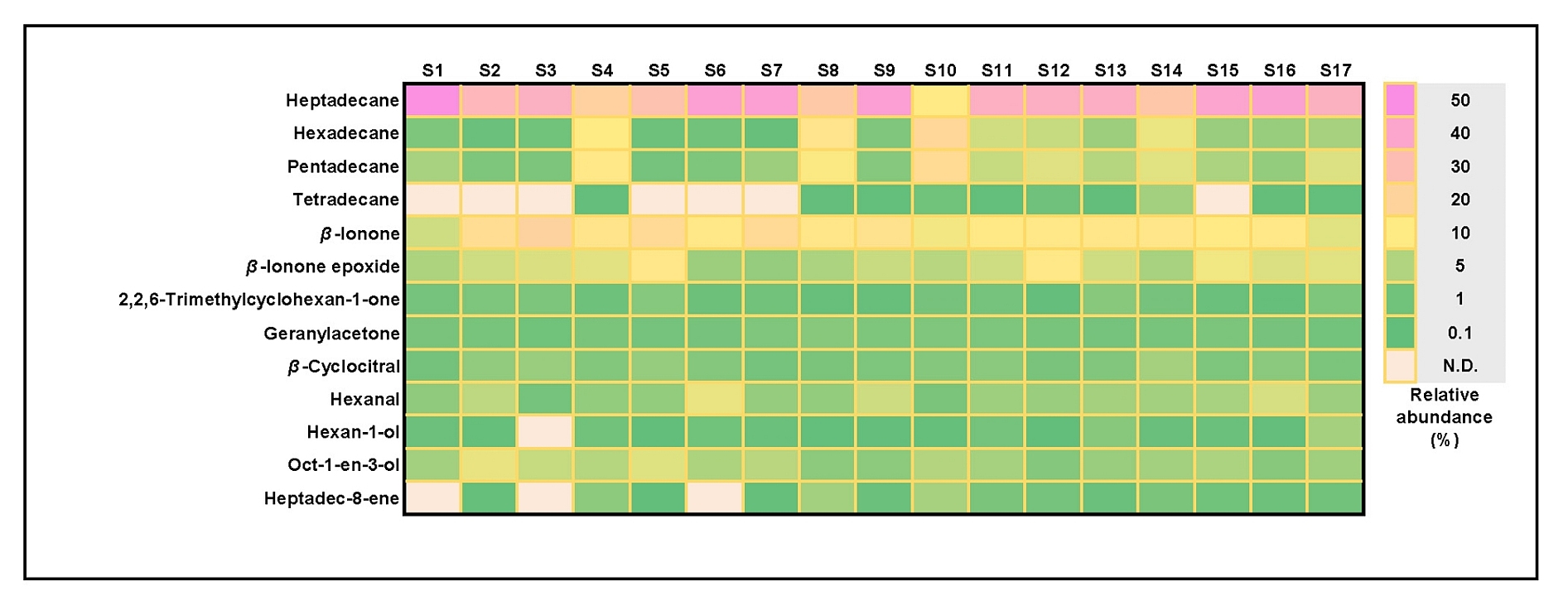
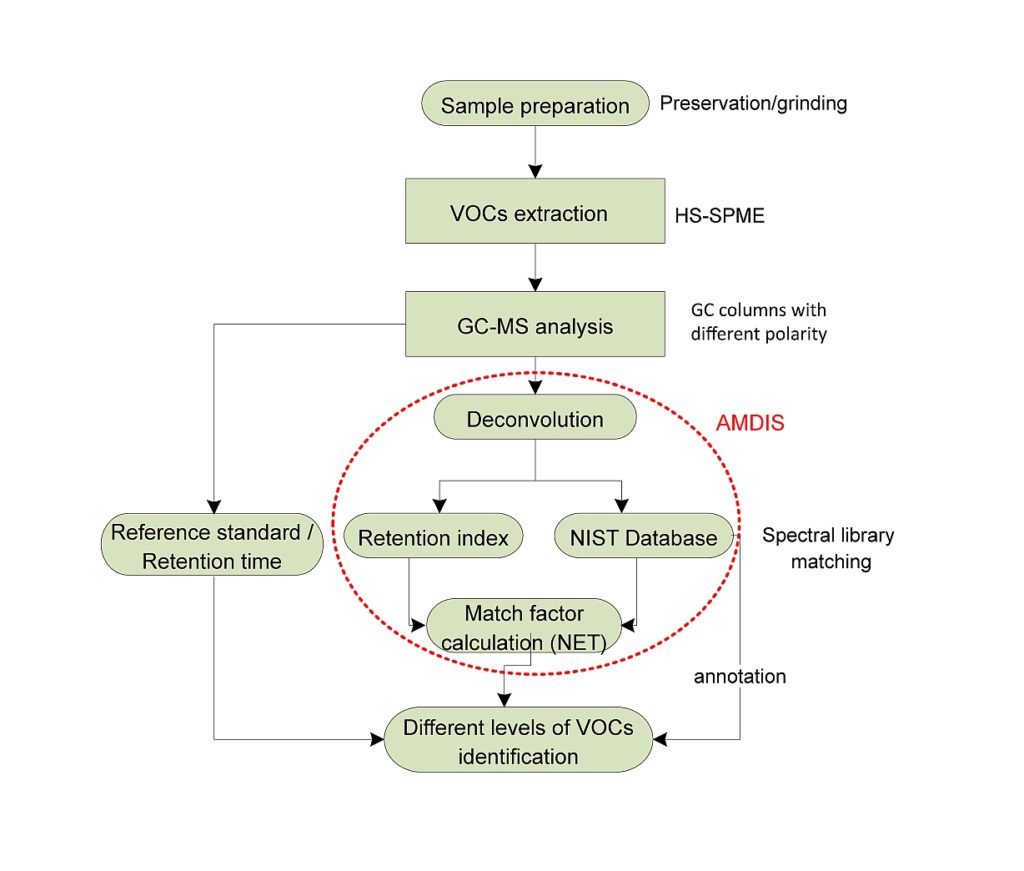
Our recent activities involved the most extensive mapping of the volatile landscape of Arthrospira platensis (spirulina) to date. Utilizing headspace solid-phase microextraction (HS-SPME) coupled with gas chromatography-mass spectrometry (GC-MS), we characterized 128 volatile organic compounds (VOCs) across 17 commercial food supplements. This study led to the discovery of 12 previously unreported molecules in these products [Foods 2024].
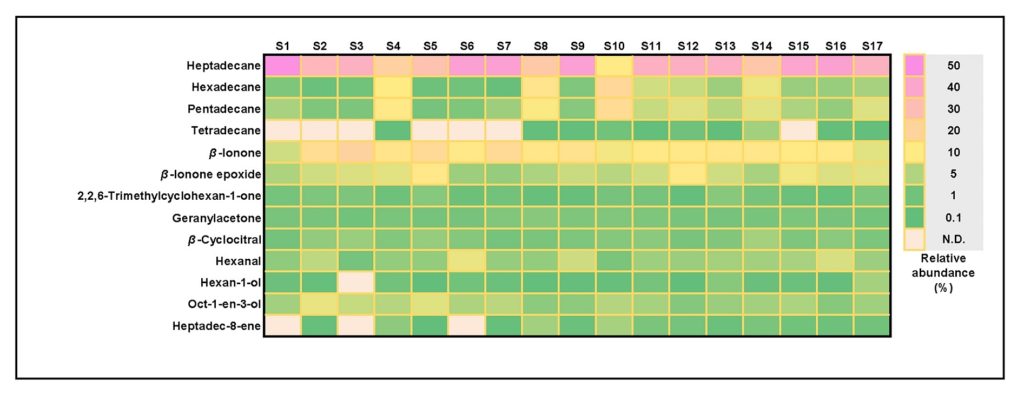
Our findings revealed that although hydrocarbons such as heptadecane are the most abundant chemical constituents, they are not the primary drivers of the biomass odor. This wide variation in volatile profiles among commercial products highlights the influence of cultivation and production methods on the final sensory quality.
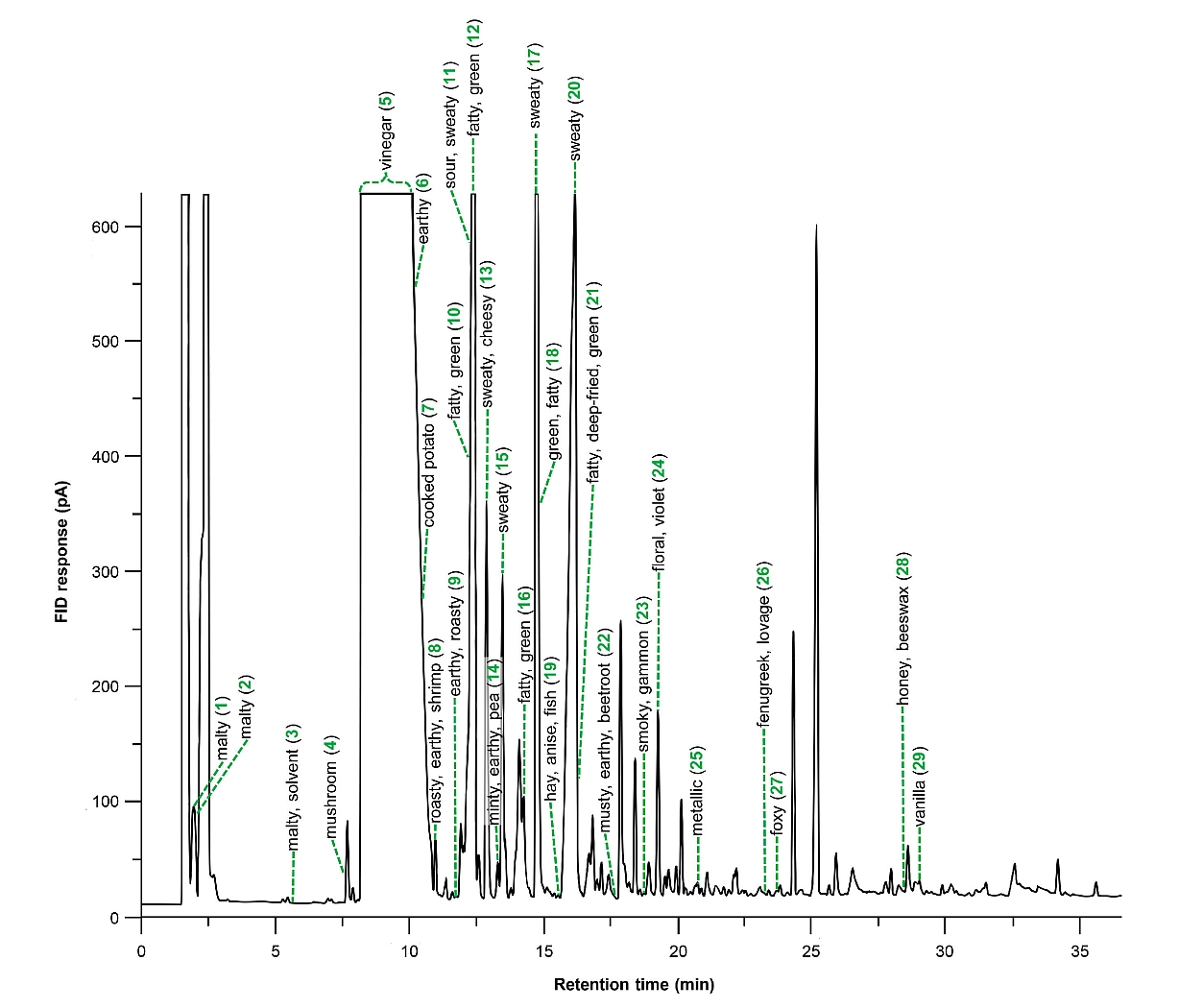
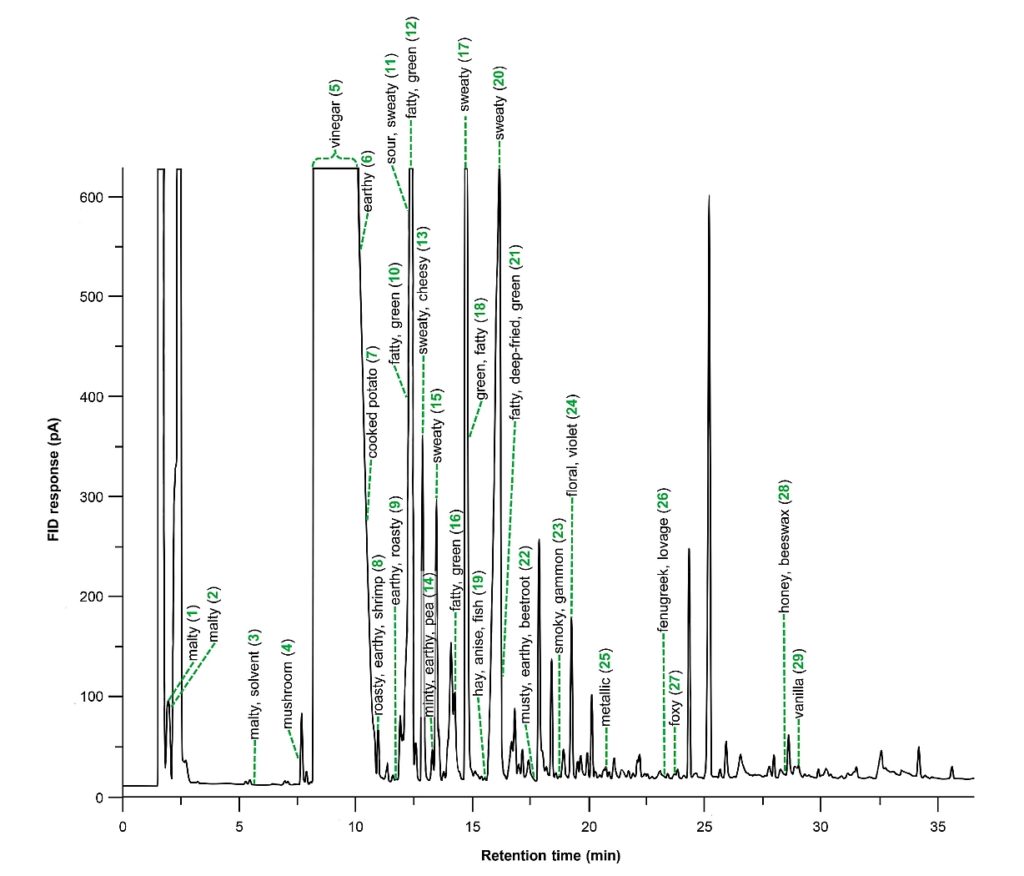
To move beyond simple chemical listing, we integrated Gas Chromatography-Olfactometry (GC-O) to identify the odorants present in a volatile isolate from a spirulina dietary supplement and to assess their odor potency using Aroma Extract Dilution Analysis (AEDA). Offline and online fractionation approaches, including two-dimensional heart-cut gas chromatography–olfactometry/mass spectrometry (GC–GC–O/MS) and comprehensive GC×GC–MS, were employed to facilitate structure elucidation. Highly volatile odorants were addressed by static headspace (SH)–GC–O/MS and the application of SH dilution.
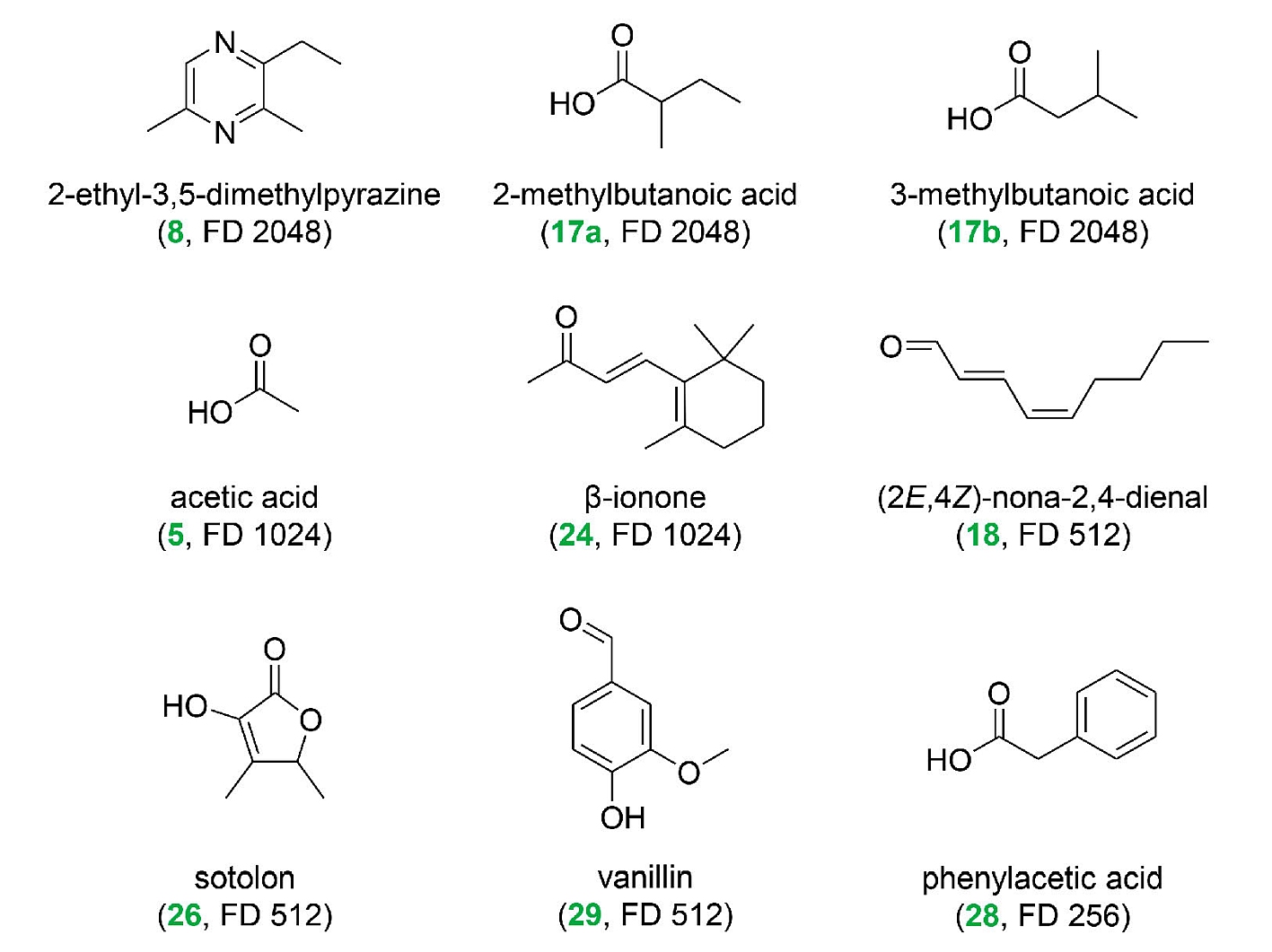
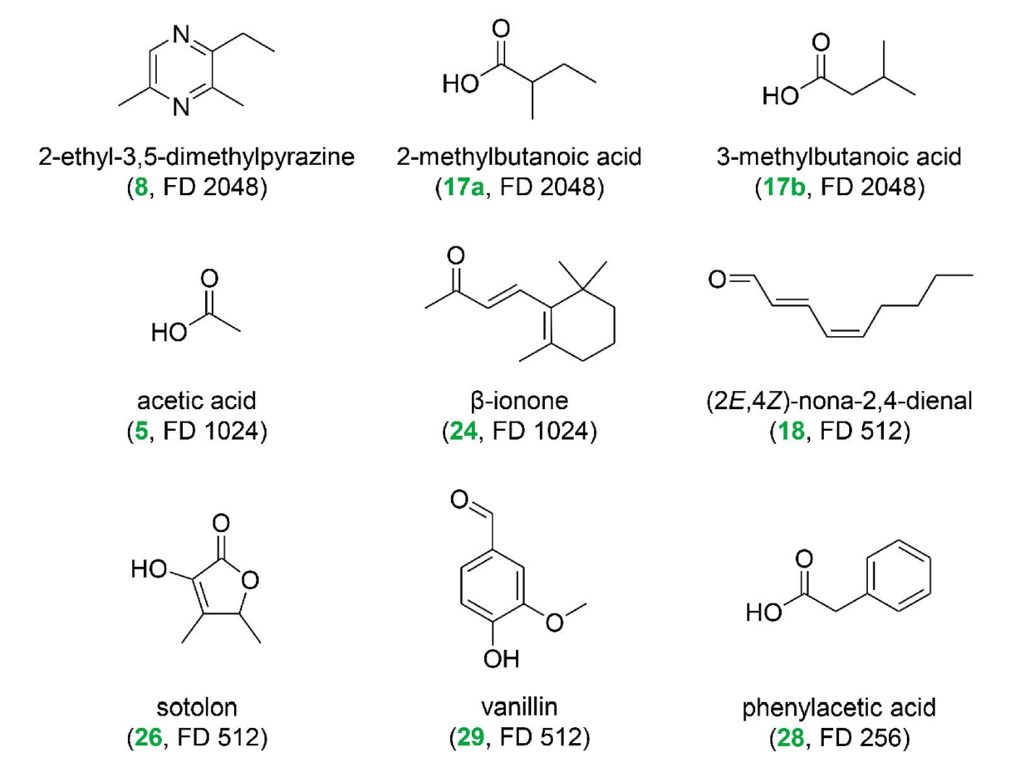
We successfully deciphered 31 important spirulina odorants, including highly potent molecules such as the sweaty 2- and 3-methylbutanoic acid (Flavor Dilution factor (FD) 2048), roasty, earthy, shrimp-like 2-ethyl-3,5-dimethylpyrazine (FD 2048), vinegar-like acetic acid (FD 1024), and floral, violet-like β-ionone (FD 1024).
This integrated platform reshapes the landscape of future microalgae research. By shifting from subjective sensory descriptions to objective, molecule-driven targets, our work provides a definitive roadmap for the food industry. This approach enables the precise evaluation of how different strains and technological parameters affect the presence and concentration of these potent odorants. This molecular blueprint is essential for developing targeted deodorization strategies, optimized fermentation processes, and strategic odor-masking techniques. Ultimately, our platform empowers the creation of microalgae-based products that are both sensory-appealing and nutritionally superior.
Images